The Hermit
In difficult moments, we may wish to disappear into the wilderness to get away from the madness of modern-day life. And in the early 1990s, this is just what Chris McCandless did when he hitchhiked to Alaska, planning to live off the land. Chris’s fanatical determination to find transcendence through renunciation forced us to consider questions we normally spend our lives avoiding. In an exploration of the Into the Wild story, writer Thomas McNamee asks: “Does McCandless’s fanatical determination to find it make him a saint, a holy fool, or just plain nuts?”
Chris, of course, wasn’t the first. Before him, various saints, ascetics, and philosophers abandoned the distractions of society to become enlightened or achieve some notion of transcendence. Going even further back, the Desert Fathers, ancient people from whom we derived the word “hermit,” taught the importance of silence, solitude, and simple living to combat distraction and cultivate a deep, undistracted connection with God—we could ask of them the same question.
Yet, the Desert Fathers and Mothers did not go to the sands to find answers; they went to find the silence that allowed questions to become audible. The wisdom they offered to the outside world grew from the compost of their lives, a compost that demanded strict adherence to their spiritual values: suffering the anguish of turning the dross of the mind, burning through its scraps and waste—day after day—adding the water of kindness and humility, facing down the thought demons, and making a life of this.
Of this internal work, Anthony the Great said,
“He who sits alone and is quiet has escaped from three wars: hearing, speaking, and seeing; but there is one thing against which he must continually fight: that is, his own heart.”
The Desert Fathers and Mothers laid the foundation for monasteries. But aside from the monastic order, what is the place of the hermit in society? Perhaps their role is simply to remind us of a quiet, biological necessity. To forgo building outward structures, to ignore our cultural demand for constant connection, and to look instead at nature’s most radical act of isolation—this is how we begin to understand the hermit’s purpose.
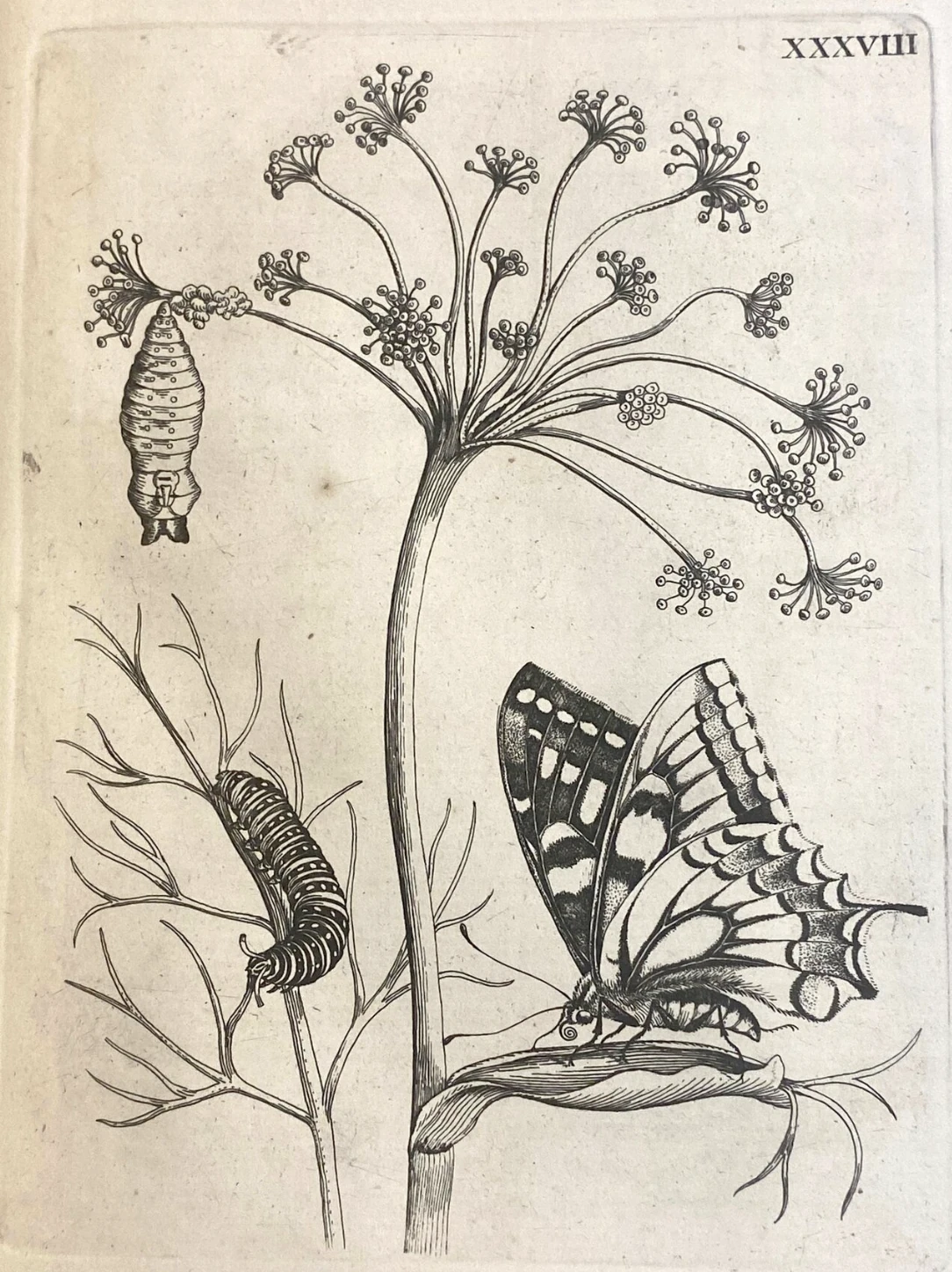
We are taught to avoid the image of the recluse—to frame their peculiarity in obscure loss, hurt, or failure. We don’t grow up idealizing one who leaves. Yet, mythology tells a different story. It suggests that this encapsulation within the self is not just a retreat from the world but more like the exoskeleton of a chrysalis. At the heart of this radically anti-social act lies the work of growing into the truth of our being while rejecting outward pressures to be a curated reflection of others.
Perhaps the hermit reminds us of something we are only vaguely conscious of, that having the courage and determination to follow our path truly is hard and sometimes lonely—work we’d rather avoid. More importantly, it may remind us of the inevitability of the sanctuary we all must enter at some point to truly come to terms with our lives.